Sustainable Housing Trends in Israeli Real Estate
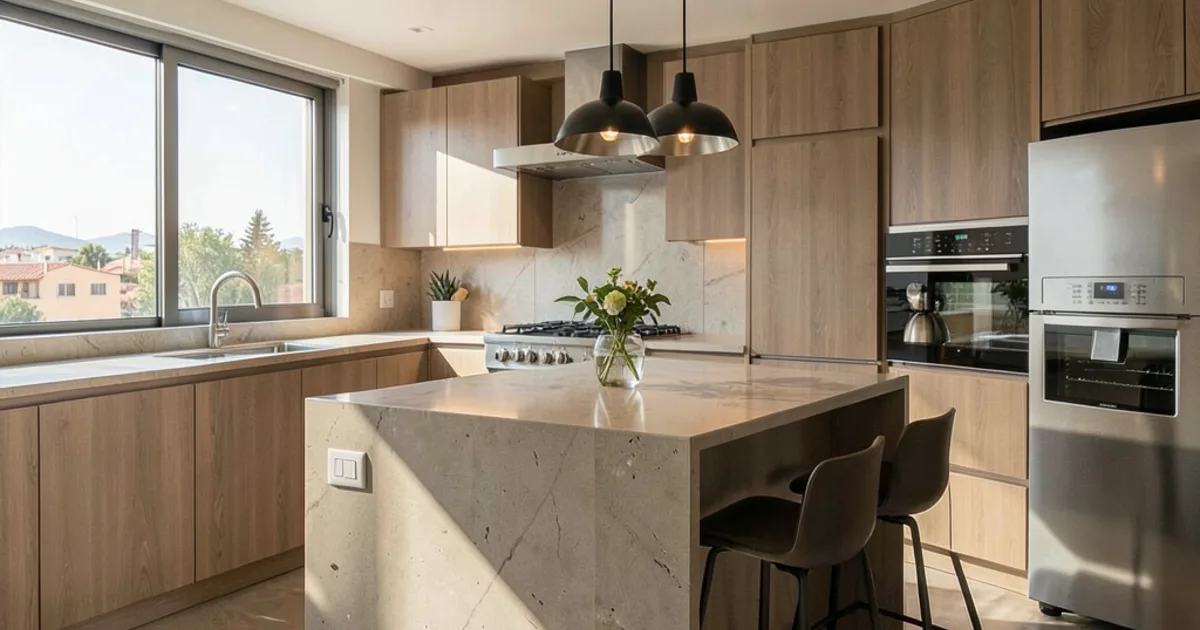
The Israeli real estate landscape is undergoing a profound transformation driven by environmental necessity and technological innovation. From energy-efficient high-rises in major metropolitan hubs to water-conscious villas in the periphery, sustainability is no longer a niche interest but a core market driver. For investors, renters, and those planning to make Aliyah, understanding these trends is essential for long-term value preservation and lifestyle quality.
- The Evolution of Sustainable Construction in Israel
- Impact on Property Valuation and Resale Potential
- Energy Efficiency and Smart Home Integration
- Water Conservation and Resource Management
- Urban Density and Transit-Oriented Development
- Navigating Municipal Regulations and Building Permits
- Financial Incentives and the Mortgage Landscape
- The Rental Market: Sustainability as a Competitive Edge
- Strategic Investment for Aliyah and International Buyers
- Addressing the Challenges of Retrofitting Older Properties
The Evolution of Sustainable Construction in Israel
The Israeli real estate market is currently navigating a significant shift toward more environmentally conscious construction and living standards. As the Mediterranean climate experiences more intense heatwaves, the demand for buildings that can regulate temperature naturally is surging. Developers are increasingly moving away from purely aesthetic designs toward functional, climate-responsive architecture. This evolution is not merely a trend but a necessary response to the local ecological reality.
Urban density in major hubs necessitates smarter, more compact living solutions that minimize environmental footprints. High-rise developments are now being scrutinized for their ability to integrate with the surrounding urban fabric while maximizing natural light. This change is reflected in both massive new construction projects and the thoughtful renovation of older residential blocks. Consequently, the concept of a modern home is being redefined by its efficiency and its relationship with the local environment.
For those looking to buy or invest, this shift represents both a challenge and a significant opportunity. While newer, sustainable buildings may carry a higher initial price tag, their long-term operational costs are often significantly lower. Understanding this nuance is vital for anyone managing a property portfolio in Israel. As the market matures, the distinction between standard and sustainable properties is becoming a key factor in buyer decision-making.
- Shift from traditional concrete to thermal-efficient materials.
- Integration of climate-responsive architectural design.
- Increased focus on minimizing the carbon footprint of high-density urban projects.
Impact on Property Valuation and Resale Potential
Sustainability is increasingly becoming a primary driver of property valuation in the Israeli market. Homes that incorporate green technologies or meet high efficiency standards are often perceived as premium assets. This perception translates into higher demand during resale, as buyers look to future-proof their purchases. While the initial purchase may require more capital, the potential for long-term appreciation is substantial.
When calculating the Mas Rekhisha (purchase tax), buyers must consider the total value of the asset, which includes these modern efficiencies. A sustainable home is often valued higher by appraisers because it offers lower projected utility and maintenance costs. This higher valuation can influence the overall cost of acquisition but is often offset by the property's desirability. Investors should look for these green credentials as a way to mitigate the risk of asset obsolescence.
The resale market is also seeing a trend where 'green' certifications act as a quality seal. Properties that demonstrate clear energy and water savings are easier to market to both local and international buyers. This is particularly true in high-demand areas where buyers are willing to pay a premium for modern, efficient living. In the long run, sustainable properties are expected to hold their value better than traditional builds.
- Higher perceived value for energy-efficient residential assets.
- Improved marketability during the resale process.
- Mitigation of long-term depreciation through modern technological integration.
Energy Efficiency and Smart Home Integration
Energy efficiency is perhaps the most visible trend in the modern Israeli home. Given the high cost of electricity and the necessity of air conditioning, thermal insulation has become a priority. Modern developers are using advanced materials to ensure that homes remain cool in the summer and warm in the winter with minimal energy input. This reduces the strain on the national power grid and lowers household expenses.
Solar energy integration is another cornerstone of the sustainable movement in Israel. Many new residential projects now include solar water heaters as a standard feature, and there is a growing trend toward rooftop photovoltaic panels. These systems allow homeowners to generate a portion of their own electricity, providing a hedge against rising energy prices. Smart home technology further enhances this by managing lighting and climate control automatically.
The integration of smart systems allows for precise monitoring of energy consumption patterns. Homeowners can use mobile applications to adjust settings remotely, ensuring that no energy is wasted when the property is unoccupied. This level of control is increasingly expected by tech-savvy buyers in Israel. As these technologies become more affordable, they will likely move from luxury add-ons to standard requirements.
- Advanced thermal insulation to reduce HVAC reliance.
- Widespread adoption of solar water heating and photovoltaic systems.
- Smart home ecosystems for automated energy management.
Water Conservation and Resource Management
In a region where water scarcity is a constant reality, sustainable housing must address resource management. Israeli residential design is increasingly incorporating sophisticated water-saving technologies. This includes everything from low-flow fixtures to advanced greywater recycling systems. These systems allow for the reuse of water from showers and sinks for toilet flushing or garden irrigation.
Greywater systems are becoming a hallmark of high-end sustainable developments. By treating and reusing water on-site, these buildings significantly reduce their demand on the municipal water supply. This is not only an environmental necessity but also a way to manage the rising costs of water services. For residents, this means a more resilient and cost-effective way to manage household needs.
Outdoor spaces in sustainable Israeli homes are also being redesigned with water efficiency in mind. Instead of thirsty lawns, many developers are promoting xeriscaping, using native, drought-resistant plants that require minimal irrigation. This approach maintains aesthetic appeal while respecting the local ecology. As water regulations tighten, these design choices will become even more critical for property owners.
- Implementation of greywater recycling for non-potable uses.
- Installation of high-efficiency, low-flow plumbing fixtures.
- Transition toward drought-resistant landscaping and xeriscaping.
Urban Density and Transit-Oriented Development
Sustainable housing in Israel is closely linked to the concept of smart urban planning. As cities grow, there is a move toward transit-oriented development, which emphasizes high-density living near public transportation hubs. This reduces the reliance on private vehicles, thereby lowering carbon emissions and urban congestion. For residents, this means easier access to employment centers and amenities without the need for a car.
High-density living, when done correctly, allows for more efficient use of land and resources. Modern urban projects are designed to include shared green spaces, community gardens, and walkable pathways. These features promote a sense of community while reducing the 'heat island' effect common in dense concrete cities. This holistic approach to urbanism is a key part of the sustainability trend.
The integration of micro-mobility solutions, such as electric scooter stations and bike lanes, is also becoming a standard in new developments. This supports a lifestyle that is both active and environmentally friendly. For investors, properties located near major transit arteries and designed with these amenities in mind are likely to see the most consistent demand. Urban sustainability is thus as much about movement as it is about the buildings themselves.
- Focus on high-density living near major public transport nodes.
- Creation of shared green spaces to mitigate urban heat.
- Promotion of walkable urban environments and micro-mobility infrastructure.
Navigating Municipal Regulations and Building Permits
Engaging with the regulatory environment is a critical step for anyone involved in sustainable development. Municipalities in Israel are increasingly incorporating green requirements into their local zoning and building codes. This might include mandates for solar readiness or specific requirements for water management systems. Navigating these rules requires careful coordination with local planning authorities.
When reviewing a property, it is essential to check the details within the binding memorandum and the municipal building permits. These documents will outline what has been officially approved and whether the property meets specific environmental standards. Relying on verbal promises about 'green features' is risky; always ensure that sustainability claims are backed by official documentation. This is especially important when verifying the status of a property in the Tabu land registry.
The process of obtaining permits for sustainable upgrades, such as solar installations, can vary by municipality. Some local authorities offer streamlined processes for eco-friendly improvements, while others may have stricter oversight. It is always advisable to consult with a local professional who understands the specific nuances of the municipality in question. Proper due diligence ensures that your sustainable investments are legally sound and fully compliant.
- Adherence to evolving municipal green building codes.
- Verification of sustainable features via binding memorandums and permits.
- Importance of aligning property upgrades with local zoning regulations.
Financial Incentives and the Mortgage Landscape
The financial sector is beginning to recognize the value of sustainable real estate. As banks look to improve their own environmental profiles, they are increasingly offering specialized products. This can include 'green mortgages' or Mashkanta options that offer slightly more favorable terms for energy-efficient homes. These incentives are designed to encourage buyers to choose more sustainable living options.
From a broader investment perspective, sustainable properties offer a way to manage long-term financial risk. By reducing exposure to fluctuating energy and water prices, these homes provide more predictable operating costs. This stability is highly attractive to both individual homeowners and institutional investors. When planning a long-term hold, the lower utility overhead can significantly improve the net yield of a rental property.
Investors must also consider the implications of Mas Shevah (capital gains tax) when selling sustainable assets. While the tax is based on the profit made from the sale, the higher appreciation potential of green homes can lead to larger absolute tax liabilities. However, the goal is to maximize the net gain after all costs and taxes are accounted for. A well-timed exit from a high-performing, sustainable asset remains a cornerstone of smart real estate strategy.
- Emergence of 'green mortgage' products with favorable terms.
- Reduced operational risk through predictable utility costs.
- Long-term appreciation potential offsetting capital gains tax considerations.
The Rental Market: Sustainability as a Competitive Edge
For landlords, sustainability is becoming a powerful tool for attracting and retaining high-quality tenants. Modern renters, particularly the younger demographic, are increasingly conscious of their environmental impact and their monthly expenses. A home that offers lower electricity and water bills is naturally more attractive in a competitive rental market. This can allow landlords to command higher rents while still offering great value.
The relationship between sustainability and municipal costs like Arnona is also worth noting. While Arnona is generally based on property size and location, the overall cost of living in a highly efficient building is lower. This makes the property more 'affordable' in a holistic sense, even if the base rent is slightly higher. Tenants often prioritize the total cost of occupancy over the simple monthly rent figure.
Property managers should consider highlighting green features in their marketing materials. Emphasizing smart climate control, solar heating, or water-saving systems can differentiate a listing from standard, less efficient units. In a crowded market, these specific advantages can lead to faster occupancy rates and more stable rental income. Sustainability is not just an ethical choice; it is a savvy business strategy for the rental sector.
- Increased tenant demand for low-utility-cost living.
- Competitive advantage in marketing rental properties.
- Improved tenant retention through lower total cost of occupancy.
Strategic Investment for Aliyah and International Buyers
For those making Aliyah, selecting a home that aligns with modern sustainability trends is a vital part of long-term integration. A sustainable home provides a higher quality of life and is better prepared for the environmental shifts of the coming decades. It also ensures that the investment remains relevant in a changing market. Choosing a property with modern, efficient infrastructure can prevent the need for costly renovations later.
International buyers looking at the Israeli market should view sustainability as a proxy for quality. A developer who prioritizes green building standards is often one who also prioritizes overall construction quality and long-term durability. This can provide an extra layer of security for those who may not be able to manage the property in person. It is a way to ensure that the asset is managed to a high standard of modern living.
When building a portfolio, diversifying into sustainable urban developments can be a prudent move. These areas are often the focus of government infrastructure projects and municipal improvements. By positioning assets in these growing, eco-conscious sectors, investors can tap into the upward trajectory of Israel's modernizing urban landscape. Sustainability is a key component of a future-proof investment strategy.
- Future-proofing homes for long-term residency and integration.
- Using green credentials as an indicator of overall construction quality.
- Targeting government-supported urban development zones for growth.
Addressing the Challenges of Retrofitting Older Properties
While new constructions can easily integrate sustainable technologies, retrofitting older buildings presents a unique set of challenges. Many residential areas in established cities consist of older structures that were not designed with modern insulation or energy efficiency in mind. Upgrading these buildings requires significant capital and can be complicated by structural and legal limitations.
The process of retrofitting often requires navigating complex municipal regulations and obtaining specific permits for changes to the building's exterior or core systems. For example, installing solar panels on an older roof might require approval from the municipality or even a vote from the building's residents' committee. This can lead to delays and increased costs that must be factored into any renovation budget.
Despite these hurdles, there is a growing market for 'green renovation' services. Homeowners and developers are finding creative ways to add value to older properties through targeted upgrades like smart thermostats, improved window glazing, and water-saving hardware. While not as comprehensive as a new build, these improvements can significantly enhance a property's efficiency and market value. Navigating this path requires patience and expert local guidance.
- Structural and legal complexities in upgrading older buildings.
- Regulatory hurdles regarding exterior and core system modifications.
- Opportunities in targeted, high-impact green renovations.
FAQ
Does a sustainable home increase the Mas Rekhisha (purchase tax)?
The purchase tax is calculated based on the assessed value of the property. While a sustainable home may have a higher valuation due to its premium features, the tax itself is a standard percentage of that value. You should factor the higher property value into your overall acquisition budget.
Can I get a better Mashkanta (mortgage) for a green home?
Yes, some financial institutions in Israel are increasingly offering specialized 'green' mortgage products. These may include slightly more favorable interest rates or terms for properties that meet specific energy-efficiency standards. It is always worth inquiring with your lender about eco-friendly financing options.
Is it worth retrofitting an older apartment with green technology?
Retrofitting can significantly improve your comfort and reduce monthly utility costs, which is a major benefit. However, you must consider the cost of the upgrades against the expected increase in property value and the complexity of obtaining municipal permits. Targeted upgrades like smart climate control often provide the best return on investment.
How does sustainability affect the rental market in Israel?
Sustainable homes are highly attractive to modern tenants because they offer lower monthly living expenses, such as electricity and water. This can allow landlords to maintain competitive rent levels while attracting higher-quality, long-term residents. It is a proven way to gain a competitive edge in crowded urban markets.
Get your personalised shortlist
Listings and up-to-date info, straight to your inbox, free, no obligation.
Get my shortlist →