What should be included in a pre-purchase inspection checklist for a 20-year-old apartment in Rehovot for a Canadian buyer?
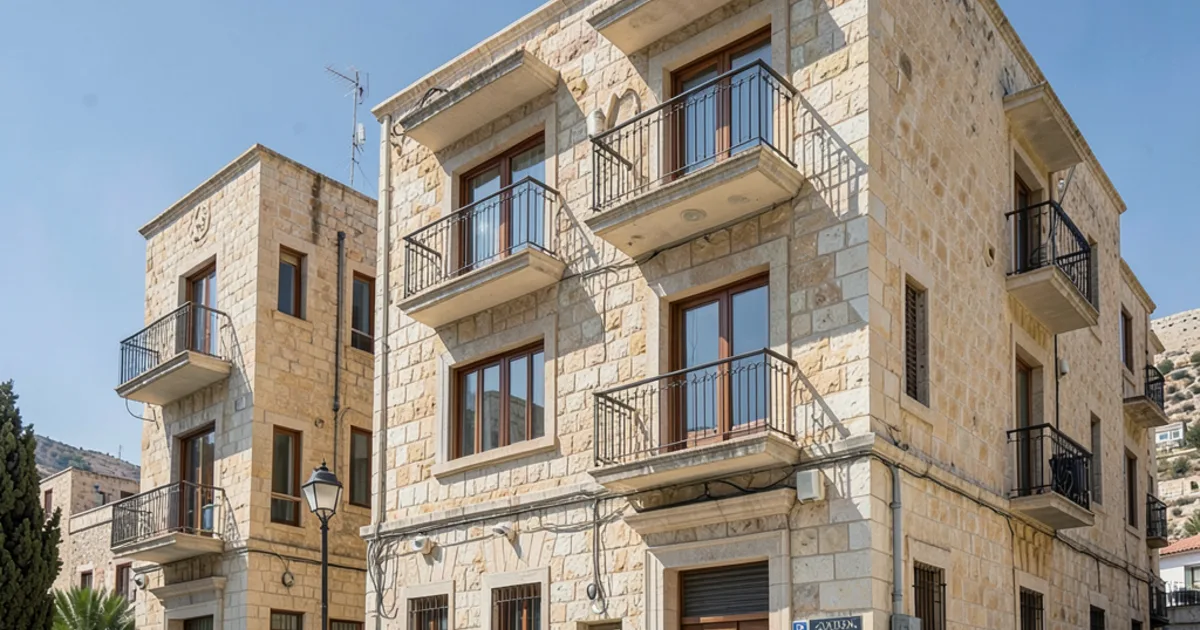
Embarking on the journey of purchasing a 20-year-old apartment in Rehovot, especially as a Canadian buyer, requires meticulous due diligence. This guide is specifically designed to provide a comprehensive pre-purchase inspection checklist, addressing the unique considerations of an older property in an Israeli context and the perspective of an international buyer. From structural integrity to legal intricacies and financial implications, we will systematically break down every essential step to ensure a sound investment and a smooth transition into your new Israeli home or investment property.
- Understanding the Israeli Real Estate Landscape for Canadian Buyers
- Initial Property Assessment and Structural Integrity for a 20-Year-Old Apartment
- Plumbing, Electrical, and HVAC Systems Evaluation
- Windows, Doors, and Insulation Assessment
- Legal Due Diligence: Verifying Ownership and Encumbrances
- Financial and Tax Implications for Canadian Buyers
- Reviewing Building Management and Common Area Documents
- Environmental Factors and Neighborhood Assessment
- Insurance Needs and Coverage in Israel
- Due Diligence on the Seller and Previous Ownership History
- The Binding Memorandum of Agreement and Final Contract
- Post-Purchase Integration and Ongoing Management
Understanding the Israeli Real Estate Landscape for Canadian Buyers
For Canadian buyers considering a 20-year-old apartment in Rehovot, it's crucial to first grasp the fundamental differences between the Israeli and Canadian real estate markets. While both countries have robust legal frameworks, the specific terminology, governmental bodies, and typical transaction processes can vary significantly. Understanding these distinctions from the outset will empower you to ask the right questions and engage effectively with local professionals.
Key differences include the role of the 'Tabu' (Land Registry), which is central to property ownership verification in Israel, akin to land titles offices in Canada but with its own unique procedures. Furthermore, taxation, such as 'Mas Rekhisha' (purchase tax) and 'Mas Shevah' (capital gains tax), operates under different rules and rates than those familiar to Canadian buyers. Familiarity with these concepts is not just a legal formality but a critical component of financial planning for your acquisition.
Cultural nuances also play a role; negotiations might feel different, and the pace of certain administrative processes can vary. Engaging with a local, English-speaking real estate lawyer and agent who understand both Israeli law and the expectations of international buyers is paramount. They can bridge the communication gap and ensure your interests are fully protected throughout the entire purchasing process, from initial offer to final registration.
Moreover, for those considering 'Aliyah' (immigration to Israel), there are specific benefits and considerations related to property purchase that might apply, such as potential exemptions or reduced rates on certain taxes. It's important to discuss these with your legal and financial advisors early on to maximize any eligible advantages. Being well-informed about the broader context prevents misunderstandings and facilitates a more efficient transaction.
Initial Property Assessment and Structural Integrity for a 20-Year-Old Apartment
When inspecting a 20-year-old apartment in Rehovot, the structural integrity of the building and the unit itself should be a primary concern. While a 20-year-old building is generally considered relatively modern in the Israeli context, it's still old enough to show signs of wear and tear or require maintenance that might not be immediately obvious. A professional, independent structural engineer or certified building inspector is indispensable for this stage.
The inspector should meticulously examine the building's exterior for cracks, water damage, or signs of settling, paying close attention to the foundation, walls, and roof. Within the apartment, they should look for ceiling stains indicating leaks from above, uneven floors, or cracks in load-bearing walls that could signal deeper structural issues. Understanding the building's maintenance history is also crucial; inquire about recent renovations or major repairs to the common areas.
Particular attention should be paid to the building's seismic resilience, given Israel's geographical location. While newer buildings adhere to stricter earthquake standards, a 20-year-old structure should still be assessed for its compliance with the regulations in place at the time of construction and any subsequent retrofitting. This ensures not only safety but also compliance with insurance requirements.
Beyond the major structural elements, the inspector should also evaluate the condition of balconies, railings, and any exterior fixtures. Rust, loose fittings, or deteriorating materials can pose safety risks and indicate a lack of regular maintenance. Documenting all findings, including photographs and detailed descriptions, will be essential for negotiation and future reference.
Plumbing, Electrical, and HVAC Systems Evaluation
The operational systems of a 20-year-old apartment, plumbing, electrical, and HVAC, are critical components that can incur significant repair costs if overlooked. A specialized inspection by qualified professionals for each of these systems is highly recommended. These professionals can identify potential issues that a general home inspector might miss, providing a more granular understanding of the apartment's condition.
For plumbing, inspect all visible pipes for leaks, corrosion, or signs of previous repairs. Test water pressure in all faucets and showers, and check drainage in sinks and toilets. Inquire about the type of hot water system (e.g., solar 'dud shemesh,' electric 'dud khashmal') and its age, as these units have finite lifespans. Also, assess the condition of the main water shut-off valve and any individual shut-off valves within the apartment.
The electrical system requires a licensed electrician to verify the integrity of the wiring, the condition of the circuit breaker panel, and the presence of proper grounding. They should check for outdated wiring (like aluminum wiring, though less common in 20-year-old buildings), sufficient outlets, and any signs of electrical hazards. Ensure the system can adequately support modern appliances and technology without overloading.
Regarding HVAC, if the apartment has a central air conditioning system, its age, maintenance history, and operational efficiency should be thoroughly checked. For individual units, assess their cooling and heating capabilities, looking for unusual noises or leaks. The inspector should also verify the type of heating system used in winter, as some older apartments might rely on less efficient or more costly methods than modern alternatives. Checking for proper ventilation in bathrooms and kitchens is also important to prevent mold and moisture issues.
Windows, Doors, and Insulation Assessment
The condition of windows, doors, and the overall insulation of a 20-year-old apartment significantly impacts energy efficiency, noise reduction, and security. These elements are often overlooked but can lead to considerable ongoing expenses if they are in poor condition. A thorough examination is essential to understand the apartment's thermal performance and potential for external noise intrusion.
Inspect all windows for proper sealing, noting any drafts, condensation between panes (if double-glazed), or difficulty in opening and closing. Check the frames for rot, rust, or deterioration. In Israel, good quality windows, often 'klap' or 'tilt-and-turn' style, are crucial for both temperature control and noise reduction, especially in urban areas like Rehovot. Ensure all locking mechanisms are functional and secure.
Similarly, examine all interior and exterior doors. The main entrance door should be robust and secure, with a reliable locking system. Check interior doors for proper fit, alignment, and functionality of hinges and handles. Issues with doors and windows can indicate a lack of maintenance, which might extend to other parts of the apartment, or suggest potential security vulnerabilities.
While assessing insulation directly can be challenging without specialized equipment, look for indirect signs. Cold spots near walls or windows, consistently high energy bills (if available from the seller), or excessive street noise can point to inadequate insulation. Inquire about the building's construction materials and insulation methods used, as this directly affects heating and cooling costs, a significant factor for long-term living expenses in Israel.
Legal Due Diligence: Verifying Ownership and Encumbrances
Legal due diligence is arguably the most critical step for any property purchase in Israel, especially for an international buyer. This phase ensures that the seller has the legitimate right to sell the property and that there are no hidden legal complications or encumbrances that could jeopardize your ownership. Your Israeli real estate lawyer will be instrumental in navigating these complexities.
The first and most crucial step is obtaining an up-to-date 'Nessach Tabu' (Tabu extract) from the Israeli Land Registry. This document serves as the official record of ownership and lists any registered liens, mortgages ('Mashkanta'), easements, or other restrictions on the property. Your lawyer will meticulously review this to confirm the seller's identity, the property's legal description, and any registered rights of third parties.
Beyond the Tabu, your lawyer will also examine the building's 'Hetter Bniya' (building permit) and verify its conformity with the existing structure. They will check for any unauthorized additions or alterations ('Haggaliyya') that could lead to demolition orders or fines. This also includes reviewing the 'Taba' (Town Planning Scheme) to understand zoning regulations and future development plans that might affect the property's value or your quality of life.
Furthermore, the lawyer will investigate for any active lawsuits, disputes with neighbors, or outstanding debts against the property or the seller. They will also ensure that all necessary permits and approvals are in place for any renovations that have been carried out. A comprehensive legal review ensures a clear title and protects you from unforeseen legal liabilities after the purchase.
Financial and Tax Implications for Canadian Buyers
Understanding the financial and tax implications is paramount for a Canadian buyer purchasing property in Rehovot. Israeli property taxation differs significantly from Canada, and failing to account for these differences can lead to unexpected costs. Engaging with a tax advisor specializing in Israeli and international taxation for Canadians is highly advisable.
The primary tax for buyers is 'Mas Rekhisha' (purchase tax), which is a progressive tax on the property's value. Rates can vary based on whether you are an Israeli resident or a foreign resident, and if it's your only property. For 'Olim Hadashim' (new immigrants), there are often significant reductions or exemptions for a limited period after making Aliyah. It's crucial to understand which category you fall into and the specific rates that apply.
Beyond purchase tax, consider ongoing costs such as 'Arnona' (municipal property tax), which is paid to the local municipality (Rehovot in this case) and covers services like sanitation, lighting, and education. 'Vaad Bayit' (building maintenance fees) are also a regular expense, covering common area upkeep, cleaning, and sometimes building insurance. These vary based on the size and amenities of the building.
Other financial considerations include legal fees, real estate agent commissions (typically paid by both buyer and seller in Israel, unless otherwise negotiated), and potential mortgage ('Mashkanta') costs if you're financing the purchase. Canadian buyers should investigate the process of obtaining an Israeli mortgage, which can have different requirements and interest rates than those in Canada. Additionally, be aware of currency exchange rate fluctuations between the Canadian Dollar and the Israeli Shekel, which can impact the final cost.
Reviewing Building Management and Common Area Documents
For an apartment in a multi-unit building, understanding the building's management, financial health, and community rules is as important as inspecting the individual unit. The 'Vaad Bayit' (building committee) plays a significant role in the upkeep and management of common areas, and their effectiveness directly impacts your living experience and property value. Requesting and reviewing relevant documents is a critical part of due diligence.
Your lawyer should request the building's 'Taknon' (building bylaws or condominium declaration), which outlines the rights and responsibilities of unit owners, rules regarding renovations, use of common areas, and dispute resolution mechanisms. This document can reveal restrictions that might affect your plans for the apartment, such as rules about pets or short-term rentals.
Reviewing the 'Vaad Bayit' financial statements, including budgets, income, and expenses for the past few years, is essential. This will give you insight into the building's financial stability, whether reserves are adequate for future major repairs, and if there are any outstanding debts or planned special assessments. A poorly managed building with insufficient funds can lead to unexpected costs for unit owners.
Inquire about any ongoing or planned major repairs or renovations to common areas, such as roof replacement, elevator upgrades, or exterior painting. These can result in significant 'Heitel Hashbacha' (betterment levies) or special assessments that you, as the new owner, might be responsible for. Understanding the building's maintenance history and future plans ensures there are no financial surprises after closing.
Environmental Factors and Neighborhood Assessment
Beyond the apartment itself, assessing the surrounding environmental factors and the neighborhood in Rehovot is crucial for a Canadian buyer, particularly if you are unfamiliar with the area. These external elements significantly impact quality of life, property value, and future appreciation. This assessment goes beyond a simple walk-through; it involves research and local insights.
Consider noise levels from traffic, commercial establishments, or nearby construction. Rehovot is a vibrant city, and different areas have varying levels of activity. Assess air quality, proximity to industrial zones (if any), and any potential environmental hazards. Inquire about the building's exposure to sunlight throughout the day, as this impacts heating/cooling needs and natural light within the apartment.
The neighborhood assessment should include proximity to essential amenities like supermarkets, public transportation (buses, trains), schools (if applicable), parks, and medical facilities. For a Canadian buyer, understanding the availability of English-speaking services or communities might also be a relevant factor. Research local crime rates and safety statistics to ensure the area aligns with your comfort levels.
Furthermore, investigate future development plans for the immediate vicinity of the apartment. New construction projects, infrastructure upgrades, or changes in zoning can either enhance or detract from the property's value and your living experience. Consulting with local real estate agents who have deep knowledge of Rehovot's urban planning can provide invaluable insights into these long-term trends.
Insurance Needs and Coverage in Israel
Securing appropriate insurance coverage is a fundamental part of protecting your investment in a 20-year-old apartment in Rehovot. Israeli insurance policies have their own nuances, and it's important for Canadian buyers to understand what is covered and what additional policies might be necessary to mitigate risks effectively. Do not assume your Canadian insurance knowledge directly translates.
Typically, apartment buildings in Israel will have a collective building insurance policy ('Bituach Habniyan') managed by the 'Vaad Bayit'. This usually covers the common areas and the structural integrity of the building against perils like fire, earthquake, and water damage. However, it generally does not cover the contents of your individual apartment or specific internal damage that originates solely within your unit.
You will need to acquire a separate 'Bituach Tochelet' (contents insurance) to protect your personal belongings within the apartment. Additionally, consider 'Bituach Diyra' (apartment insurance), which can cover internal damage to your unit, such as burst pipes or electrical faults, that are not covered by the building's collective policy. This is particularly important for a 20-year-old apartment where systems might be nearing the end of their lifespan.
For Canadian buyers, it's also worth discussing liability insurance, which protects you in case someone is injured on your property. Engage with an Israeli insurance broker who can explain the various options in English and tailor a package that meets your specific needs, taking into account any unique risks associated with an older property or your status as a foreign owner.
Due Diligence on the Seller and Previous Ownership History
While legal due diligence focuses on the property itself, it's equally important to conduct due diligence on the seller and the property's ownership history. This helps identify any potential red flags or complications that might arise from the seller's circumstances or past transactions. Your lawyer will be central to this investigative process.
Verify the seller's identity and their legal right to sell the property. This includes confirming they are the registered owner (as per the 'Tabu') and that there are no other individuals who must consent to the sale (e.g., spouses, co-owners, or heirs). If the seller is an estate, ensure all necessary probate documents and permissions are in place.
Inquire about the reason for selling the apartment. While not always indicative of an issue, a motivated seller might be open to negotiation, whereas a seller facing financial distress could potentially introduce complications. Also, ask about the period of ownership; frequent turnovers in a short period might warrant further investigation into underlying issues.
Your lawyer will also check for any outstanding debts or judgments against the seller that could potentially become a lien on the property, even if not yet registered on the 'Tabu'. This proactive approach helps protect you from inheriting unforeseen financial burdens. Understanding the full picture of the seller's situation provides an additional layer of security for your purchase.
The Binding Memorandum of Agreement and Final Contract
The process of purchasing real estate in Israel typically involves an initial 'Zichron Devarim' (Binding Memorandum of Agreement) or a direct move to the full 'Heskem Mekhira' (Purchase Agreement). For a Canadian buyer, understanding the legal weight and implications of these documents is crucial, as they can differ from what you might be accustomed to.
A 'Zichron Devarim,' while often a preliminary document, can be legally binding if it contains all essential terms of the sale, including the price, parties involved, property description, and payment schedule. It serves as an interim agreement before the comprehensive purchase contract is drafted. Your lawyer must review this document meticulously to ensure it protects your interests and does not commit you to unfavorable terms prematurely.
The 'Heskem Mekhira' is the final, comprehensive purchase agreement. This extensive document details every aspect of the transaction, including payment terms, delivery date, representations and warranties, conditions precedent, and remedies for breach. It will also specify who is responsible for various taxes and fees, such as 'Mas Rekhisha' and any 'Mas Shevah' (capital gains tax) payable by the seller.
Crucially, for a Canadian buyer, ensure that the contract includes clauses addressing any specific concerns identified during your due diligence, such as repairs to be completed by the seller, or contingencies related to mortgage approval. Your lawyer will negotiate these terms on your behalf, ensuring clarity and legal protection in both Hebrew and English, making sure you fully comprehend all obligations before signing.
Post-Purchase Integration and Ongoing Management
Once the purchase of your 20-year-old Rehovot apartment is complete, the process shifts to integration and ongoing management, particularly relevant for Canadian buyers who might not reside in Israel full-time. Planning for these post-purchase steps ensures a smooth transition and effective protection of your investment.
If you are making Aliyah, you will need to register with the local 'Arnona' (municipal tax) department and other utility providers (electricity, water, gas, internet) in your name. For those investing or maintaining a second home, consider engaging a reliable property management company in Rehovot. They can handle tenant screening, rent collection, maintenance issues, and liaise with the 'Vaad Bayit' on your behalf, providing peace of mind from abroad.
Familiarize yourself with local services and resources. If you are planning to live in the apartment, enrolling in an 'Ulpan' (Hebrew language school) can significantly aid your integration into Israeli society and make managing day-to-day affairs easier. Understanding local customs and community norms will enhance your experience in Rehovot.
Regularly review your property's condition and maintenance needs, especially for a 20-year-old apartment. Proactive maintenance can prevent minor issues from becoming costly repairs. Stay informed about local real estate market trends in Rehovot, as this will be important for future decisions regarding your investment, whether it's selling, renovating, or adjusting rental rates.
FAQ
What is a 'Nessach Tabu' and why is it important for Canadian buyers?
A 'Nessach Tabu' is an official extract from the Israeli Land Registry, akin to a property title deed. It is crucial as it legally verifies the property's ownership, lists any registered liens, mortgages, or easements, and confirms the seller's right to sell. Your lawyer will use this to ensure a clear title.
Are there specific tax benefits for Canadian buyers making Aliyah when purchasing property?
Yes, 'Olim Hadashim' (new immigrants) often qualify for significant reductions or exemptions on 'Mas Rekhisha' (purchase tax) for a limited period after their Aliyah date. It's essential to consult with a tax advisor specializing in Aliyah benefits to understand the specific criteria and maximize these advantages.
What is the role of a 'Vaad Bayit' and how does it affect a 20-year-old apartment?
The 'Vaad Bayit' is the building committee responsible for managing common areas and finances in an apartment building. For a 20-year-old apartment, a well-managed 'Vaad Bayit' ensures proper maintenance and reserves for future repairs, directly impacting the building's condition and potential future levies on owners.
Should I get a professional building inspection for a 20-year-old apartment in Rehovot?
Absolutely. A professional inspection by a certified engineer or inspector is highly recommended for a 20-year-old apartment. They can identify structural issues, assess the condition of plumbing, electrical, and HVAC systems, and uncover potential hidden problems that might lead to costly repairs down the line.
How do property taxes in Rehovot ('Arnona') work for foreign owners?
'Arnona' is a municipal property tax paid to the Rehovot municipality, covering local services. The amount is calculated based on the apartment's size and classification. While specific rates apply to all owners, foreign owners must ensure they are properly registered and understand the payment schedule and methods to avoid penalties.
Get your personalised shortlist
Listings and up-to-date info, straight to your inbox, free, no obligation.
Get my shortlist →